
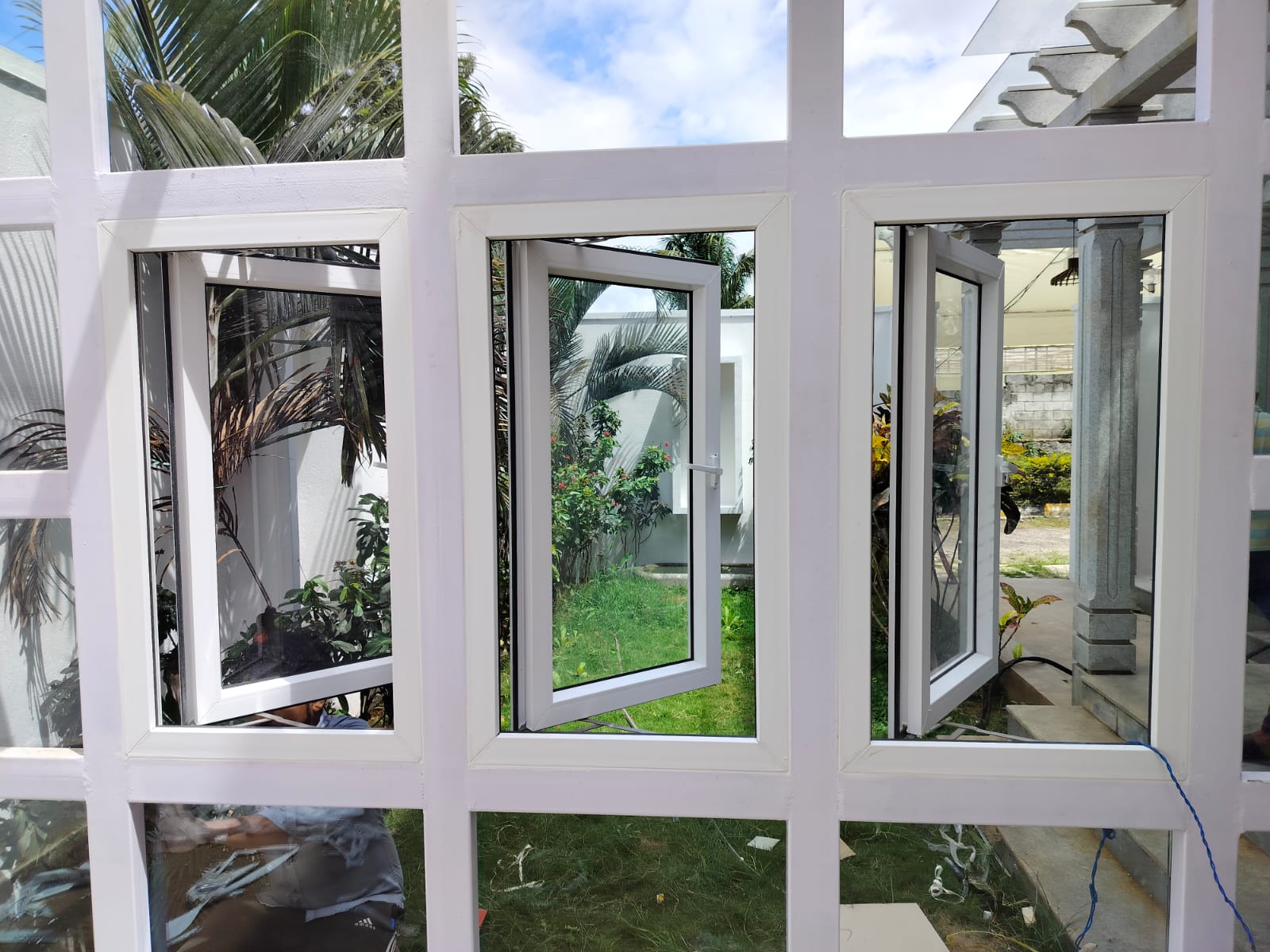
Structural Glazing
Structural glazing is a cutting-edge architectural technique that involves the use of glass panels to form an integral part of a building's structural framework, eliminating the need for traditional framing materials like metal or wood. This method creates a seamless, visually striking exterior that is both modern and functional.
In a structural glazing system, specially designed glass panels are installed to bear the load of the building, transferring it to the structure behind the glass. This technique not only enhances the aesthetic appeal of the building by providing a sleek and unobstructed façade but also allows for greater natural light penetration and panoramic views.
Structural glazing offers architects and designers a high degree of flexibility, as the glass panels can be customized in terms of size, shape, and color. The use of silicone sealants and adhesives ensures a secure and weather-resistant bond between the glass and the structural elements.
Beyond its visual appeal, structural glazing contributes to energy efficiency by optimizing natural light and reducing the need for artificial lighting. The insulating properties of the glass panels, often combined with low-emissivity coatings, help in maintaining a comfortable interior temperature.
This innovative construction technique is commonly employed in modern commercial buildings, skyscrapers, and high-end residential projects, showcasing the seamless integration of glass into the building's structure for both aesthetic and functional purposes.